
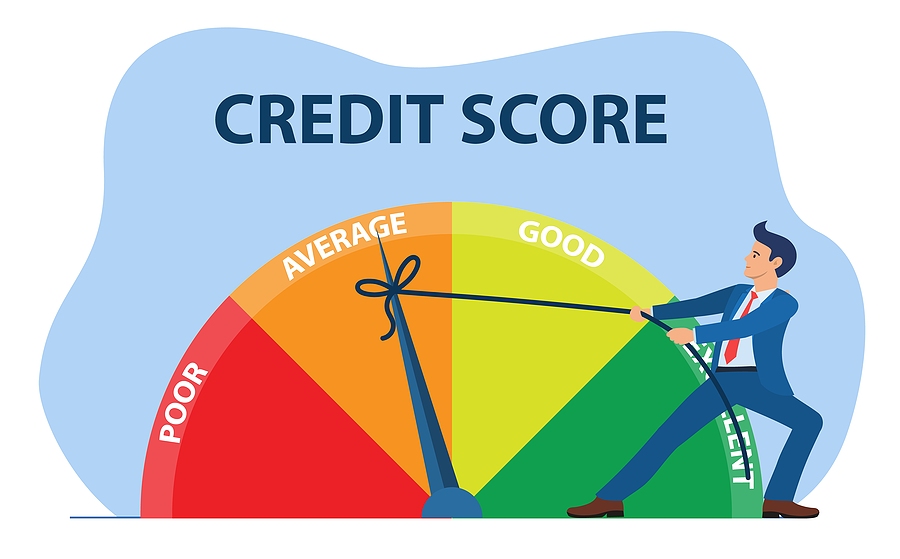
A strong credit score is the foundation of financial stability—impacting everything from mortgage approvals to affordable interest rates. But recent data reveals a troubling trend: credit scores are falling across multiple states, creating what experts call a “perfect storm” for American wallets. For consumers, this isn’t just a statistic—it’s a wake-up call.
What’s Happening? According to WalletHub’s latest report, several states experienced significant declines in average credit scores in 2025. The primary culprit? Missed student loan payments following the resumption of federal loan obligations. Over 4.5 million Americans were caught off guard when payments restarted, and the ripple effect is clear: national credit scores dropped, leaving millions vulnerable to higher borrowing costs.
From a credit repair law perspective, this trend underscores a critical truth: credit damage doesn’t fix itself. When missed payments, charge-offs, and reporting errors occur, consumers often lack the knowledge—or the legal tools—to dispute inaccuracies and rebuild effectively.
The States Hit Hardest
- Missouri
Missouri saw the steepest decline, with average scores falling to 654, a 1.51% drop. High credit card balances and financial distress indicators contributed to this slide. Without intervention, these consumers risk long-term credit impairment. - Georgia
Georgia’s average score fell from 662 to 653, a 1.36% decrease. What makes Georgia unique? State law restricts traditional credit repair services, limiting access to education and advocacy. While intended as consumer protection, these restrictions often leave residents without lawful support to challenge errors or negotiate reporting timelines—keeping them stuck in credit damage longer. - Delaware
Delaware residents experienced a 1.2% decline, driven by rising debt and delinquency rates. With the seventh-highest delinquency rate nationally, Delaware consumers face mounting pressure on their credit profiles.
Conversely, states like Utah, North Dakota, and Iowa saw minimal declines, largely because residents maintain lower debt and healthier utilization rates—proof that proactive credit management matters.
Why Legal Credit Repair Is Essential
Credit reporting is complex, and mistakes happen. Accounts can be misreported, balances can be inaccurate, and negative items can linger beyond legal time limits. Under the Fair Credit Reporting Act (FCRA) and related laws, consumers have rights—but exercising those rights effectively often requires professional guidance.
Here’s what we tell our clients:
- Disputes must be strategic and documented. Random online disputes rarely resolve systemic errors.
- Timing matters. Understanding how and when accounts report can prevent unnecessary score damage.
- Persistence pays off. Credit recovery is a process, not an overnight fix. Consistency and legal advocacy make the difference.
The Road Ahead
Will scores continue to decline in 2026? That depends on economic factors like job stability. When income is disrupted, credit almost always suffers. But with the right plan—and lawful support—consumers can protect and rebuild their financial health.
Your credit is your financial fingerprint. It follows you, speaks for you, and impacts every major life decision. Don’t wait for things to “fix themselves.” If you’ve experienced missed payments, reporting errors, or credit score declines, seek professional help now. Our firm specializes in leveraging consumer protection laws to dispute inaccuracies, negotiate with creditors, and restore your credit profile.
✅ Need help repairing your credit? Contact us today for a consultation.
Your financial future starts with a strong credit foundation—and we’re here to help you build it.
