
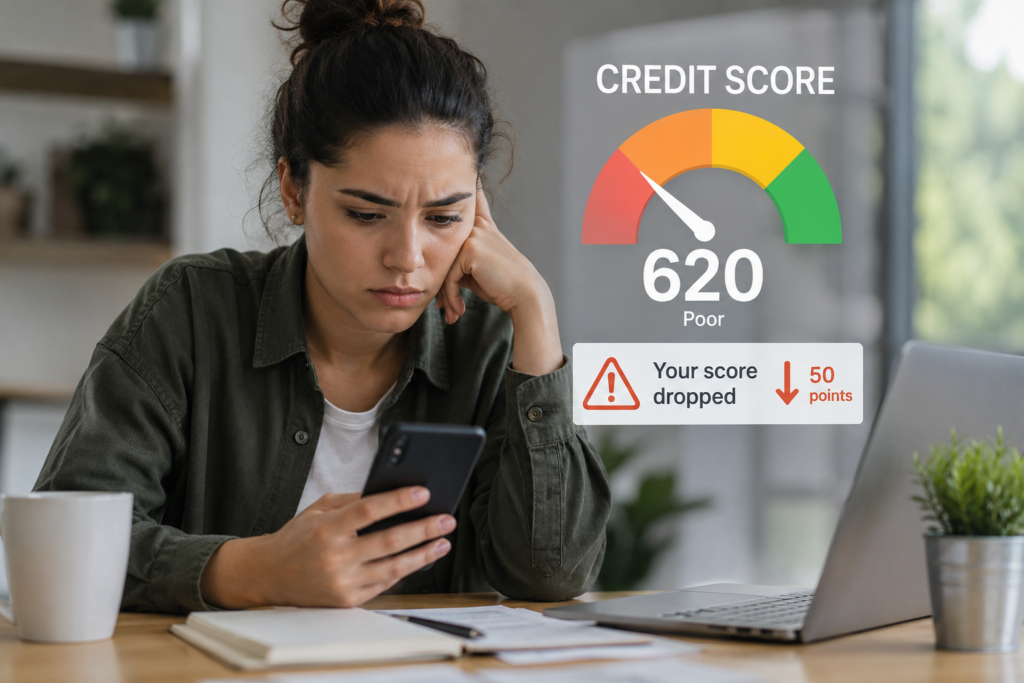
For many people, especially young adults, a credit score is something they rarely think about until an important financial opportunity comes along. Whether you’re applying for your first mortgage, financing a vehicle, qualifying for lower insurance premiums, or even interviewing for certain jobs, your credit score can quickly become one of the most important numbers in your financial life.
Unfortunately, many consumers don’t fully understand what affects their score or why it can suddenly change. Even individuals who pay their bills regularly are often surprised to see their credit score drop without warning.
Understanding how credit scores work—and knowing your legal rights when inaccurate information appears on your credit report—can help you avoid costly mistakes and protect your financial future.
Credit Scores Change More Often Than You Think
Many consumers assume that once they’ve established good credit, their score will remain relatively stable. In reality, credit scores are constantly changing based on new information reported by lenders and debt collectors.
A score can increase or decrease because of:
- Higher credit card balances
- Opening a new credit account
- Closing an older account
- Missing a payment
- A collection account appearing on your report
- A lender reporting updated account information
- Hard credit inquiries
- Changes in your overall credit utilization
Sometimes these changes are completely expected. Other times, they may result from inaccurate reporting or information that should no longer appear on your credit report.
Your Credit Score Isn’t the Whole Story
Your credit score is designed to help lenders estimate lending risk. It is not a reflection of your character, financial responsibility, or long-term financial success.
Someone may have a temporary score decrease simply because they recently financed a home, purchased a vehicle, or used more available credit during a move or major life event.
Likewise, someone struggling with unexpected medical bills, divorce, or job loss may see their score decline even though they are working hard to regain financial stability.
Credit scores provide only part of the picture.
The Five Factors That Influence Your Credit Score
Several components work together to determine your overall score.
Payment History
Making payments on time remains one of the most important factors. Late payments can remain on your credit report for years and significantly impact your score.
Credit Utilization
Using a high percentage of your available revolving credit can lower your score—even if you make every payment on time.
Keeping balances well below your available credit limits generally produces better results.
Length of Credit History
Older accounts help establish a longer credit history. Closing long-standing accounts may reduce the average age of your accounts and affect your score.
New Credit
Applying for multiple new credit accounts within a short period can temporarily lower your score. Each application may generate a hard inquiry, which lenders view as increased borrowing activity.
Credit Mix
Having experience managing different types of credit—such as credit cards, auto loans, mortgages, or installment loans—can positively influence your credit profile over time.
Common Mistakes That Can Hurt Your Score
Many people unintentionally damage their credit by making decisions they believe are helping.
Some common mistakes include:
- Maxing out credit cards
- Closing older credit accounts
- Applying for several store credit cards
- Missing payments by only a few days
- Ignoring collection notices
- Assuming information reported on a credit report is always accurate
Even one mistake can affect your ability to qualify for favorable financing.
Sometimes the Problem Isn’t Your Fault
Not every credit score drop happens because of consumer behavior.
Errors on credit reports are more common than many people realize. Accounts may be reported inaccurately, balances may be incorrect, duplicate accounts can appear, or debts may continue reporting long after they should have been updated or removed.
Debt collectors and credit reporting agencies are required to follow federal law when reporting consumer information.
When they fail to do so, consumers have important legal protections under the Fair Credit Reporting Act (FCRA) and other federal consumer protection laws.
What You Can Do If Your Credit Report Contains Errors
If you notice incorrect information on your credit report, don’t assume it will fix itself.
Review your reports carefully for:
- Incorrect late payments
- Accounts that don’t belong to you
- Duplicate accounts
- Inaccurate balances
- Collection accounts reported incorrectly
- Accounts that should have been updated or removed
If inaccurate information is damaging your credit, you may have legal options available.
An experienced consumer protection attorney can review your situation, help determine whether your rights have been violated, and pursue the appropriate legal remedies when credit reporting agencies or debt collectors fail to comply with federal law.
Debt Doesn’t Have to Define Your Future
Many consumers also believe there is nothing they can do once an account has gone into collections or been charged off.
That isn’t always true.
Depending on your circumstances, negotiating certain debts may help improve your overall financial position while reducing future credit challenges. Every situation is different, which is why obtaining experienced legal guidance can make a meaningful difference.
Protect Your Credit—and Your Rights
Building strong credit takes time, but protecting it requires ongoing attention.
Regularly reviewing your credit reports, making payments on time, managing credit card balances responsibly, and addressing potential reporting errors early can help you maintain healthier credit over the long term.
If inaccurate information, unfair debt collection practices, or credit reporting violations are preventing you from moving forward financially, you don’t have to face those challenges alone.
At Credit Law Center, our attorneys help consumers protect their rights under federal consumer protection laws, challenge inaccurate credit reporting, and pursue solutions that can help them achieve a stronger financial future. Whether you’re dealing with reporting errors, collection accounts, or overwhelming debt, understanding your legal options may be the first step toward rebuilding your credit with confidence.
