
Falling behind on credit card payments can happen faster than many people expect. Rising living costs, high interest rates, medical expenses, and unexpected financial hardships have forced many Americans to rely more heavily on credit cards just to manage everyday expenses. Unfortunately, when payments are missed and balances continue to grow, the situation can quickly spiral.
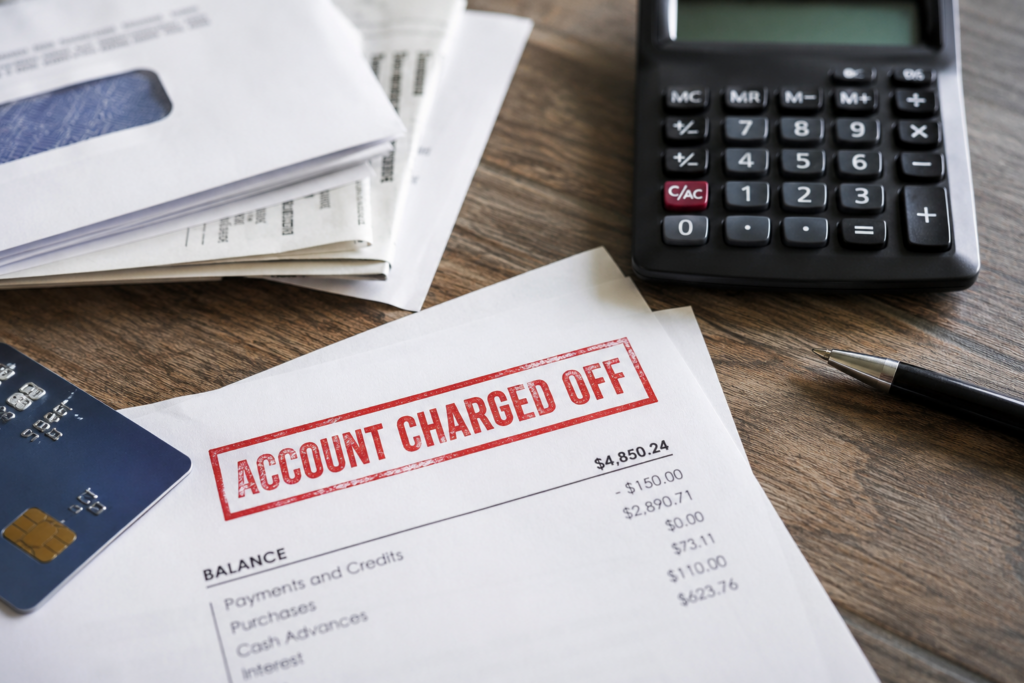
What begins as a manageable balance can turn into mounting late fees, compounding interest charges, collection calls, and eventually something many consumers fear: a “charge-off.”
At Credit Law Center, we regularly hear from consumers who believe a charged-off account means the debt simply disappeared. The reality is more complicated. A charge-off can create serious credit and legal consequences — but consumers also have rights and options available to them.
What actually happens when a credit card account is charged off?
The debt does not disappear
A charge-off is an accounting action taken by a creditor after an account becomes seriously delinquent, typically around 180 days past due. It means the creditor has moved the account from an active receivable to a loss on its books.
It does not mean your responsibility to pay the debt ends.
The account balance may still be pursued by the original creditor or sold to a third-party collection company that continues collection efforts.
Your credit report can suffer significant damage
A charged-off account is one of the more damaging entries that can appear on a credit report. Future lenders often view it as evidence of serious delinquency, which can impact loan approvals, credit card eligibility, interest rates, and even housing opportunities.
However, consumers should understand an important point:
The Fair Credit Reporting Act (FCRA) gives you the right to have your credit information reported accurately and fairly.
That means:
- Incorrect balances cannot legally remain unchallenged
- Duplicate accounts may violate reporting standards
- Incorrect dates, payment histories, or ownership information may be disputed
- Collection agencies and creditors must report information accurately
We’ve seen situations where charged-off accounts contain reporting errors that unnecessarily damage consumers’ credit profiles. Identifying and addressing inaccuracies can become an important step toward financial recovery.
Your debt may be sold to a collection agency
Once a creditor charges off an account, it frequently sells the debt to a third-party collector, often for a fraction of the original balance.
Suddenly, consumers may begin receiving calls, letters, emails, or collection notices from companies they’ve never heard of before.
When debt changes hands, mistakes can happen. Missing documentation, incorrect balances, and inaccurate reporting are not uncommon. Understanding your rights during the collection process matters.
Legal action is possible
Whether the original creditor retains ownership of the debt or a debt buyer purchases it, legal action remains a possibility.
If a creditor or collector files a lawsuit and obtains a judgment, available remedies may include:
- Wage garnishment (depending on state law)
- Bank levies
- Property liens
- Additional court costs
Receiving collection notices or legal paperwork should never be ignored. Early action often creates more opportunities for resolution.
Interest and fees may continue to grow
Many consumers are surprised to learn that a charge-off doesn’t necessarily freeze the balance. Depending on the account terms and applicable laws, interest and fees may continue accumulating.
This can make a debt substantially larger over time and increasingly difficult to resolve.
Debt negotiation may provide another path forward
Many people assume their only options are paying the full amount immediately or waiting for collection activity to intensify. In reality, there may be additional solutions available.
At Credit Law Center, we work with consumers to evaluate debt negotiation options that may help create a more manageable path toward resolution. Depending on the circumstances, negotiations can sometimes reduce the amount owed, establish structured repayment terms, or resolve accounts before collection pressure escalates further.
Every financial situation is different, which is why evaluating options early can make a meaningful difference.
The bottom line
A charge-off is not the end of the road, and it does not mean consumers lose their rights.
Charged-off debt can affect your credit, lead to collection activity, and potentially create legal exposure. But federal laws like the FCRA exist to protect consumers from inaccurate credit reporting, and debt negotiation solutions may help create a path toward resolution.
At Credit Law Center, we help consumers understand their rights, review potentially inaccurate reporting, and explore options for addressing debt before financial problems become even more difficult to overcome.
